
Ride the Waterways: Britain’s Canals, Iron, and Steam
Saddle up for exploring industrial heritage by bike along British canal towpaths, tracing stories of coal, cotton, and courage beside still water and brick. From the Grand Union to the Kennet and Avon, each gentle mile reveals workshops, bridges, and basins reborn. Expect quiet surfaces, ringing bells, and conversations with volunteers who keep locks alive. Share your favorite section, subscribe for fresh route ideas, and help us map the best stops for coffee, museums, and photo-worthy ironwork across England and Wales.
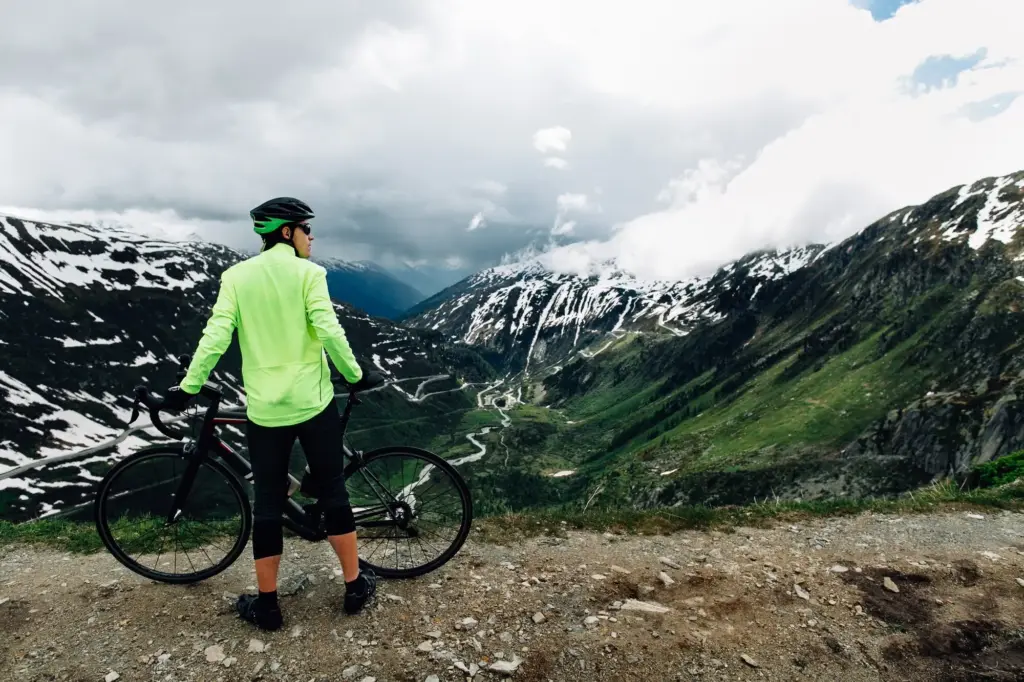
Choosing a Route That Tells a Story
Pick corridors where history reads easily from the landscape. The Leeds and Liverpool unlocks mill towns and mighty lock flights; the Kennet and Avon glides through honeyed stone and elegant aqueducts; the Grand Union stitches cities with quiet, green margins. Seek loops linking basins, rail stations, and cafes. Aim for routes with interpretation panels, preserved warehouses, and viewpoints, so every pause delivers context. Add short urban sections to witness regeneration, then roll into countryside cuttings where kingfishers flash like blue sparks from a forgotten furnace.
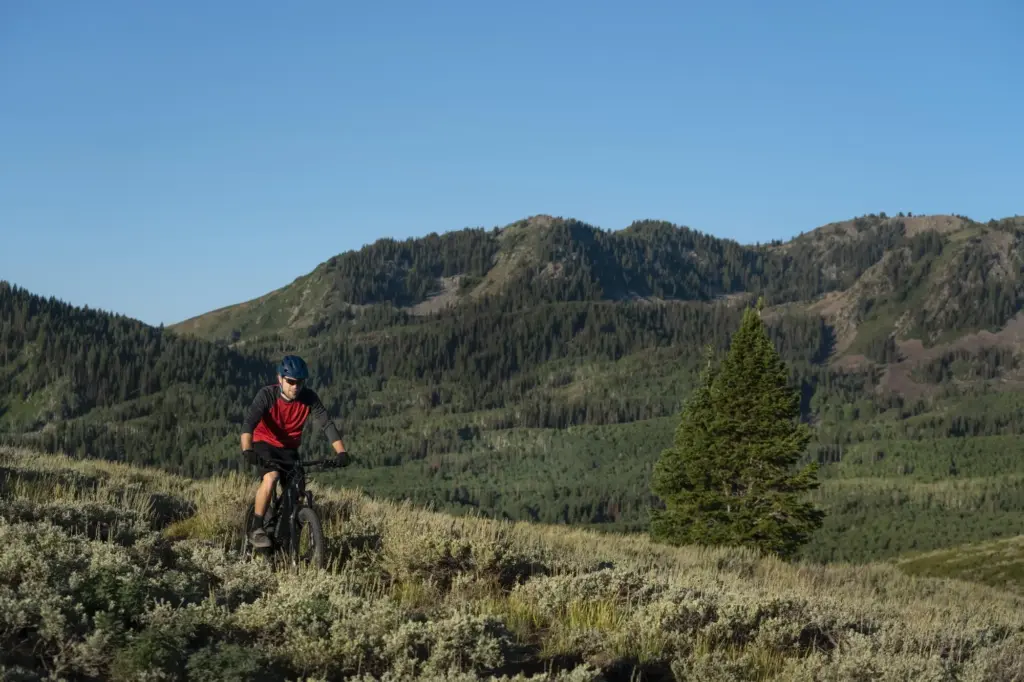
Etiquette That Keeps Everyone Smiling
Towpaths are living corridors shared by walkers, anglers, families, runners, wheelchair users, and boaters working locks. Slow right down, use a friendly bell and voice, and be prepared to stop. Dismount near narrow bridges, blind corners, and busy lock landings. Never splash through puddles beside pedestrians, and keep dogs and front wheels respectfully distant from fishing lines. Yield at pinch points, smile often, and treat every meeting like a neighborly exchange. Your courtesy preserves delicate surfaces, protects nesting birds, and keeps heritage spaces welcoming for all ages and abilities.
Engineering Marvels Beside Quiet Water
Britain’s canals turned difficult landscapes into flowing trade, leaving structures that still astonish under soft towpath light. Ride towards cast-iron arcs, stepped lock flights, and ingenious lifts that shrugged off hills without a single rail. Pause for plaques and diagrams that decode rivets, gates, and gears. Imagine navvies chiseling through rock and boatmen nursing cargo past frosted mornings. These feats outlived coal traffic and now host families on picnics and cyclists rolling gently over time-worn stone, the whisper of tires mixing with clinking mooring chains.
Regional Day Rides You’ll Love
Bath to Bradford-on-Avon: Stone, Arches, and Tea
Follow the Kennet and Avon from Bath’s crescents to Bradford-on-Avon’s mellow riverfront, rolling under plane trees and across the elegant spans of Dundas and Avoncliff aqueducts. Stop for photos where pale stone meets water’s green mirror. Seek canal-side bakeries and quiet tearooms nested in former stores. Detour carefully to viewpoints above the valley, then return to the towpath’s level grace. This ride blends Roman echoes, Georgian craft, and post-industrial calm, proving how engineering can be both purposeful and beautiful, even at the speed of a bell’s gentle ring.
Birmingham Loops: Basins, Back-to-Backs, and Brilliance
Begin at Gas Street Basin, where narrowboats paint reflections across the city’s reimagined heart. Trace the Soho Loop past old works and redbrick bridges, then pause at the Roundhouse to uncover stories of horses, coal, and civic ambition. Dip into shady cuttings, emerge beside contemporary architecture, and feel the network’s density under your tires. Birmingham’s waterways invite short, rewarding circuits with frequent rests, historic plaques, and plentiful cafes. Hop off to explore nearby housing courts or workshops preserved as living memory, before rolling home as dusk gilds the water.
Wigan to Bingley: Locks, Latches, and Northern Grit
Sample the Leeds and Liverpool’s drama through segments connecting Wigan’s famed lock flight and the sculptural power of Bingley Five Rise. Expect rugged charm: stone setts, weathered timbers, and embankments with sudden views. Pause where warehouses and mill chimneys anchor horizons, reading about cloth, coal, and canals binding communities. Time your day to watch lock keepers orchestrate water with practiced grace. Refuel at a waterside inn, then spin onward as swallows stitch the air. These miles celebrate persistence—of infrastructure, craft, and towns that found new futures beside old cuts.
Wildlife and Green Corridors Along the Cut
As industry quieted, nature crept back, threading reeds, wildflowers, and willows through brick and iron. Today, towpaths are urban oases where herons stand like statues and kingfishers ignite mornings. Hedgerows hum with life, and embankments shelter orchids, butterflies, and small mammals. Ride softly, notice shy ripples, and let birdsong pace your day. These corridors connect habitats fragmented by roads, making every considerate pedal stroke part of a larger recovery. Your photos and observations can help conservationists understand how wildlife spreads along water bound by history.
Spring unveils celandines under low branches, while ducklings trail new stories behind patient parents. Summer brings dragonflies hovering like living jewels and towpath shade that cools long afternoons. Autumn burnishes warehouses and leaves canals peppered with reflected copper, drawing photographers to every bend. Winter clears foliage to reveal engineering lines and frosted cobbles. Dawn often grants shared silence with early anglers; dusk braids swallows and bats into your final miles. Each season rewards different senses, encouraging repeat visits where familiar corners bloom into brand-new discoveries.
Let respect guide every turn of the pedals. Slow near nests and fishing pegs, avoid skids that scar surfaces, and pass quietly where reeds host hidden life. Carry a small litter bag for snack wrappers, and consider joining a local clean-up or hedgerow day. Keep dogs close to avoid flushing waterfowl, and choose wider trail alternatives during busy hours. Report hazards kindly, thank volunteers generously, and model patience at pinch points. By riding gently, you safeguard both heritage and habitat, proving that low-impact travel can renew shared spaces.
Turn curiosity into citizen science. Upload sightings of kingfishers, damselflies, and otters to platforms like iNaturalist or regional wildlife trust portals, tagging exact locations along the cut. Note bloom times and invasive plants so restoration teams can respond effectively. If you photograph structures, include plaques or gate numbers to help catalog change over time. Invite friends to contribute, then compare observations across seasons and routes. Sharing data transforms a pleasant ride into meaningful stewardship, knitting community, ecology, and engineering into a single, hopeful story beside the water.
People, Food, and Culture Beside the Locks
Canal-side Bites and Historic Pubs
Fuel rides at waterside cafes tucked beneath cranes and hoists, where baristas steam milk beside old iron columns. Seek pubs that once served boatmen, now pouring local ales and hearty pies. Along the Kennet and Avon, canal-side inns offer terraces kissed by willow shade; in city basins, modern kitchens reinterpret classics under brick vaults. Ask staff about house names, lamp hooks, and the grooves worn by ropes. Good food tastes richer when paired with craftsmanship, patient navigation, and the slow tempo of water guiding you home.
Museums and Stories That Stick
Anchor your understanding with visits to interpretation hubs where models, films, and artifacts reveal how locks, paddles, and pounds collaborate. Explore galleries at National Waterways Museum sites, step into restored cottages, or watch machinery cycle through demonstrations. At Anderton, transparent lift towers frame narratives of corrosion, restoration, and community pride. In mill museums, loom thunder explains why canals soothed freight’s rattles. Carry these lessons back to the towpath and you’ll notice hinge pins, wear marks, and clever drainage as meaningful lines in a centuries-spanning diagram.
Conversations With Keepers and Volunteers
Pause where people in blue fleeces or hi-vis jackets are guiding boats or tidying hedges, and ask what they’re fixing. Lock keepers can describe water balances like symphonies, and volunteers share weekend rituals of painting, pruning, and greeting visitors. You’ll learn which gates groan, which bridges hide swallows, and where a maintenance compound protects delicate parts. These chats humanize infrastructure and invite participation. Consider joining a Towpath Taskforce day, or donating to support heritage. The friendships you begin here often last longer than any ride’s end.
Logistics, Maps, and Weather Wisdom
Study connections where stations sit close to canals, then sketch generous windows for transfers and quick snacks. Not all trains carry bikes equally, and step-free access can simplify heavily laden exits. Identify ramps from platforms, bridges over basins, and signed canal entrances. Keep a plan B—shorter loops, bus links, or an earlier train—so weather or closures never sour the mood. Save station postcodes, add cafe waypoints, and message a friend your outline. Flexibility is freedom when water, wind, and the calendar improvise together.
Expect diversity: compacted gravel, earth, slick leaves, occasional setts, and short pinch points near bridges. After storms, puddles may mask ruts, and winter frost stalks shaded cuttings. Towpath closures for works or wildlife protection appear seasonally; obey diversions and respect fencing. Dismount at tunnels, crowded locks, and blind chicanes. Lights help beneath deep tree canopies and underpasses, yet night riding risks unseen edges by water. Choose tires with grip, keep speeds conversational, and remember that arriving with a grin beats arriving a minute sooner.
Blend digital with analog. Ordnance Survey layers reveal canal lines, contours, and access paths; OpenCycleMap highlights connected routes; the Canal and River Trust shares stoppage updates and volunteering opportunities. Save offline areas, but tuck a printed map where rain cannot reach. Annotate highlights—lifts, aqueducts, museums—and mark safe exits for changes in weather or energy. Track your ride lightly to focus on scenery, not segments. When the signal fades, your compass, paper map, and a friendly question at the next lock will carry you onward.